How to Identify a Phishing Email
What are Phishing Emails
Phishing' emails aim to extract sensitive user information to be used in ransomware and identity attacks
As with any other email services, criminals could even try to pose as Zen to extract your customer's information.
Zen will never send unsolicited email asking for your password for services that you have with us. The only exception may be during the course of a contact to us where we may need to confirm your account details..
Recognising a Phishing Email
There are a number of common things you can look out for to identify a phishing email:
- They will be received without prior contact from you
- Some claim that your service has been, or will be suspended, should you fail to confirm your details
- Others will claim a new service is being introduced, or an existing one being changed, and you need to confirm your details to use it, or upgrade
- The reply address of the email may be wrong e.g. " ZenMailSupport@gmail.com " instead of " support@zen.co.uk "
- They may contain a " click here" link, if you select or hover your mouse over the link you will see the website could be a completely unfamiliar domain which the attacker has compromised. This is rather than a Zen domain e.g. ".zen.co.uk" or ".zeninternet.co.uk"
How to Deal with a Phishing Email
If you ever receive an email that says it is from Zen or another company that you are suspicious as to the legitimacy of, please do not reply to it or click on any links within in it.
If the email is from "Zen" please forward it to abuse@zen.co.uk and we will take the necessary steps to investigate the source and take action if required.
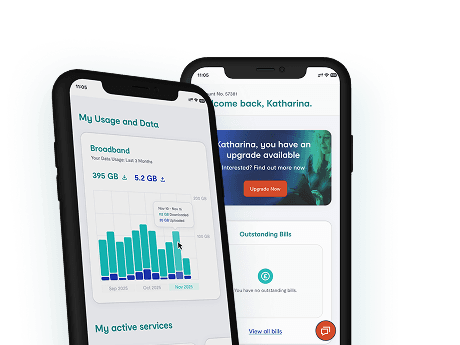
Download the Zen mobile application to manage your broadband plans.


Apple and Apple logo are trademarks of Apple Inc. Google Play and the Google Play logo are trademarks of Google LLC.